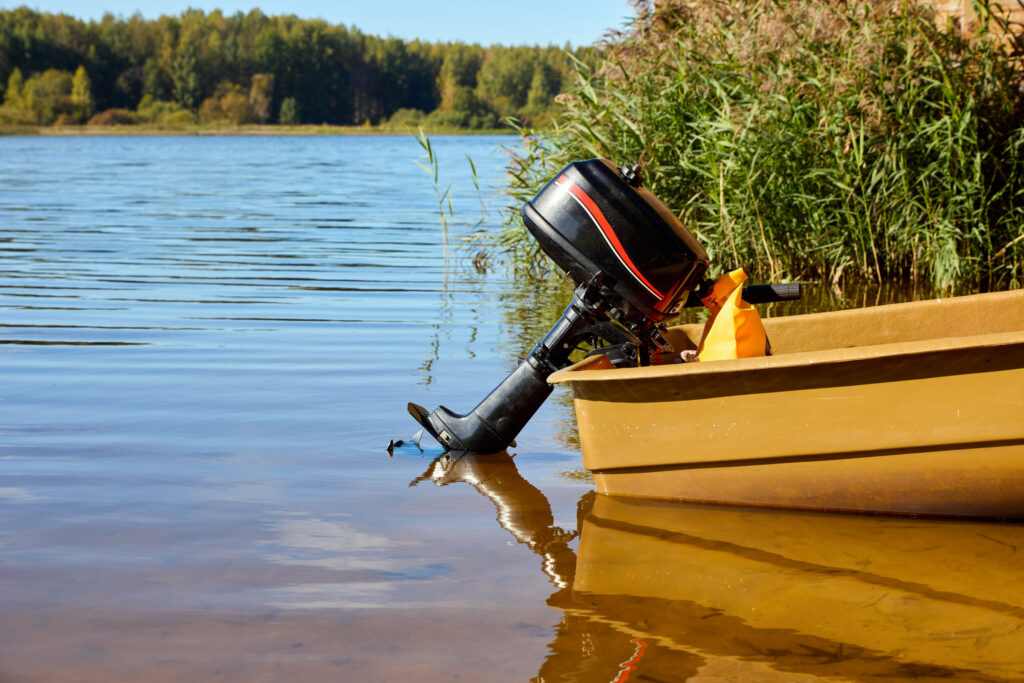
A motor decides how the whole boat feels. Underpower it and the hull struggles. Overpower it and the boat turns twitchy and the insurance stops making sense. Buy the wrong one and you’ll spend more on fuel and repairs than the motor saved you in the first place.
This guide is about the buying decision itself, new against used. It doesn’t rehash our pricing breakdown of the outboard range, and it doesn’t repeat the model guides. It walks through what separates a good motor buy from an expensive mistake, at every budget, on Cape Town water.
New or used: the honest split
New motors give you warranty, current technology and a known history. Nobody has overheated it, nobody has run it on the wrong fuel, and the service clock starts with you. For a buyer who wants zero surprises, that’s worth paying for.
Used motors give you more horsepower for the same money. A used 100hp can cost less than a new 60hp, and on the right hull that’s a real upgrade. The trade is condition, and condition on an outboard is invisible until you test it.
The deciding factor is usually the hull you’re fitting it to. If the boat is worth keeping for years and the hull is sound, a new motor is an investment. If the boat is a stepping stone, a well-checked used motor keeps the money free.
There’s a third route worth knowing. Buy a sound used hull and fit a new motor, which is what many of our customers do. You keep the used-boat value on the hull and put new reliability where it matters most. We handle that through our outboard fitment and rigging service.
What motors cost in 2026
Prices track the rand and supply, so treat these as bands. New sits at the top, used depends almost entirely on hours and condition.
| Motor class | New (Rand) | Used (Rand) | Suits |
|---|---|---|---|
| Small (9.9 – 20hp) | R35,000 – R60,000 | R8,000 – R28,000 | Tenders, small ducks, dams |
| Mid (40 – 60hp) | R95,000 – R150,000 | R28,000 – R75,000 | 4–5m ducks and skiboats |
| Large (90 – 115hp) | R180,000 – R260,000 | R60,000 – R140,000 | 5–6m boats, cuddies |
| Big (140 – 200hp) | R280,000 – R450,000 | R120,000 – R260,000 | Walkarounds, hardtops |
| Offshore (200 – 300hp) | R400,000 – R650,000+ | R200,000 – R380,000 | Sportfishers, twins |
Those numbers move fast, and a dealer quote beats any published range. What matters is the shape: the gap between new and used is widest at the top of the range and narrowest at the bottom.
Why hours matter more than the year
The year on the cowling tells you almost nothing. Engine hours tell you almost everything. A 2016 four-stroke with 250 hours is a better buy than a 2020 with 1,500 hours, and the ad won’t always spell that out.
A diagnostic read on a modern four-stroke gives you hours, fault codes and any overheat history. That’s data a seller can’t hide. Insist on it before you buy any used EFI or four-stroke motor.
Then compression test every cylinder. Even compression across the board means a healthy powerhead. A low or uneven cylinder means a rebuild, and a rebuild can cost most of what a good used motor is worth. Walk away or reprice hard.
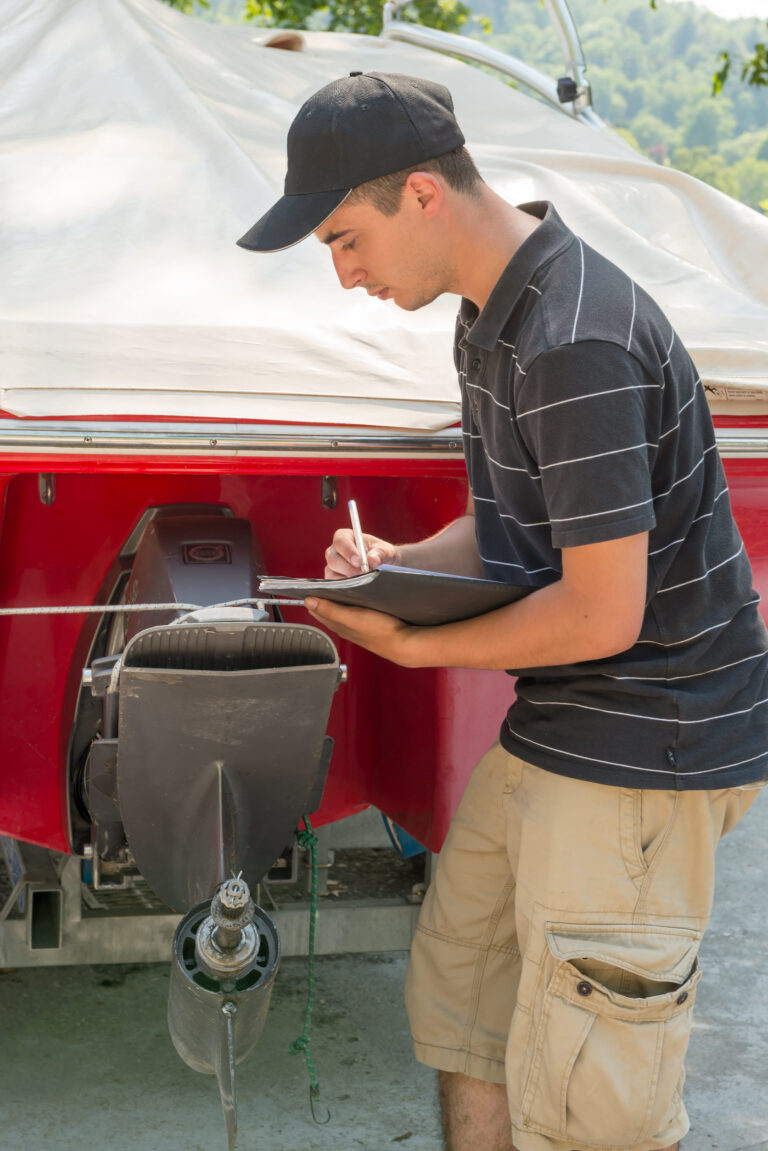
Check the gearbox oil for water. Milky oil means a failed seal, which means repair money and a question about the rest of the motor. Look at the propeller and skeg for impact damage too, because it tells you how the motor was treated.
Matching the motor to the hull
Match the motor to the hull’s rating plate, not to the biggest number you can afford. Every hull has a maximum horsepower rating, and exceeding it is a handling, safety and insurance problem.
Within the rating, the right size depends on load. A 4.5-metre duck with two crew and fishing gear runs well on a 50hp. Load it with four adults and dive tanks and it wants a 60hp or the hull labours, which burns more fuel and strains the motor.
Four-stroke is the sensible default on Cape Town water. Quieter, cleaner, lighter on fuel and easier to resell. A Suzuki DF50A suits mid-size ducks, a DF100B suits 5 to 6-metre boats, and the DF200 or DF250T is the step up for serious offshore hulls and sportfishers.
Twins change the maths. Two motors cost more up front and more to service, but they let you limp home on one engine. For anyone regularly running past Cape Point, that redundancy is worth the extra cost and the extra weight on the transom.
Propellers, rigging and the bits people forget
The propeller is where a motor’s real performance is decided. The right prop lets the motor reach its rated RPM range at wide-open throttle. The wrong one either over-revs or lugs, and both cost you fuel, speed and motor life.
Then there’s rigging. Controls, gauges, wiring, fuel lines, a battery that actually holds charge. These are the parts that turn a motor into a working installation, and skipping them is how a good motor becomes a bad experience. Load-shedding makes the battery question sharper, because a boat left uncharged is a launch-day failure.
If you want it done properly the first time, that’s new motor fitment again. A motor bolted on badly will cost you more than a motor chosen badly.
Running costs and keeping the warranty
Servicing keeps a new motor’s warranty valid, and it keeps a used motor alive. Skip it and a warranty claim gets rejected, which turns a covered failure into a full-price repair.
Budget for servicing on schedule, through our outboard servicing team. And keep the boat legal, because a motor that runs well on a boat that can’t pass its Certificate of Fitness is a motor you can’t use.
Fuel is the running cost that surprises owners most. A bigger four-stroke burns more at cruise, and Cape Town fuel prices add up over a season. Work out your likely hours before you buy, then match the motor to reality rather than to the brochure.
Where to buy and what to avoid
Buy from a dealer who can show the motor’s history, run a diagnostic and stand behind the sale. Grey imports and unknown-history motors can look like bargains until you need a part or a warranty claim.
Browse what’s in stock through our boat and outboard stock, and compare motors against hulls on our new and used boat sales page. If you’re unsure about condition, our used boat inspection checklist covers the checks that matter before you hand over cash.
Then contact our team at Atlantic Suzuki and we’ll match the motor to your hull, your budget and the water you actually fish.
Frequently asked questions
How much does an outboard motor cost in South Africa?
A new 40 to 60hp runs roughly R95,000 to R150,000, a 90 to 115hp about R180,000 to R260,000, and a 200hp or larger motor R400,000 upward. Used motors cost less, with the price driven mostly by engine hours and condition.
Is it better to buy a new or used outboard?
New gives you warranty, current technology and a known history. Used gives you more horsepower for the same money, if you check it properly. The right answer depends on how long you’ll keep the boat and how much risk you want to take.
How many hours is too many on an outboard?
A well-serviced four-stroke can run several thousand hours. What matters more is how the hours were spent and whether servicing was done on schedule. A low-hour motor without a service history is a bigger risk than a higher-hour motor with one.
What size motor do I need for my boat?
Match the hull’s rating plate and the load you’ll carry. A 4.5-metre duck usually runs 40 to 60hp, a 5 to 6-metre boat 90 to 115hp, and larger offshore hulls 140hp and up. Never exceed the hull’s maximum rating.
Can I fit a new motor on an old boat?
Usually yes, if the transom is sound and the new motor is within the hull’s horsepower rating. It’s a common way to get new-motor reliability without buying a whole new boat, and a dealer can check the transom and rig it properly.
What should I check on a used outboard?
Engine hours and fault codes from a diagnostic, compression on every cylinder, the gearbox oil for water, the propeller and skeg for damage, and the service history. Then run it on the water before you buy.
About the Author
Written by the team at Atlantic Suzuki. We’ve worked the Cape Town marine trade for years, selling, fitting and servicing outboards and boats from Montague Gardens. As an authorised Suzuki dealer, we match new and used motors to Western Cape hulls and keep them running season after season.